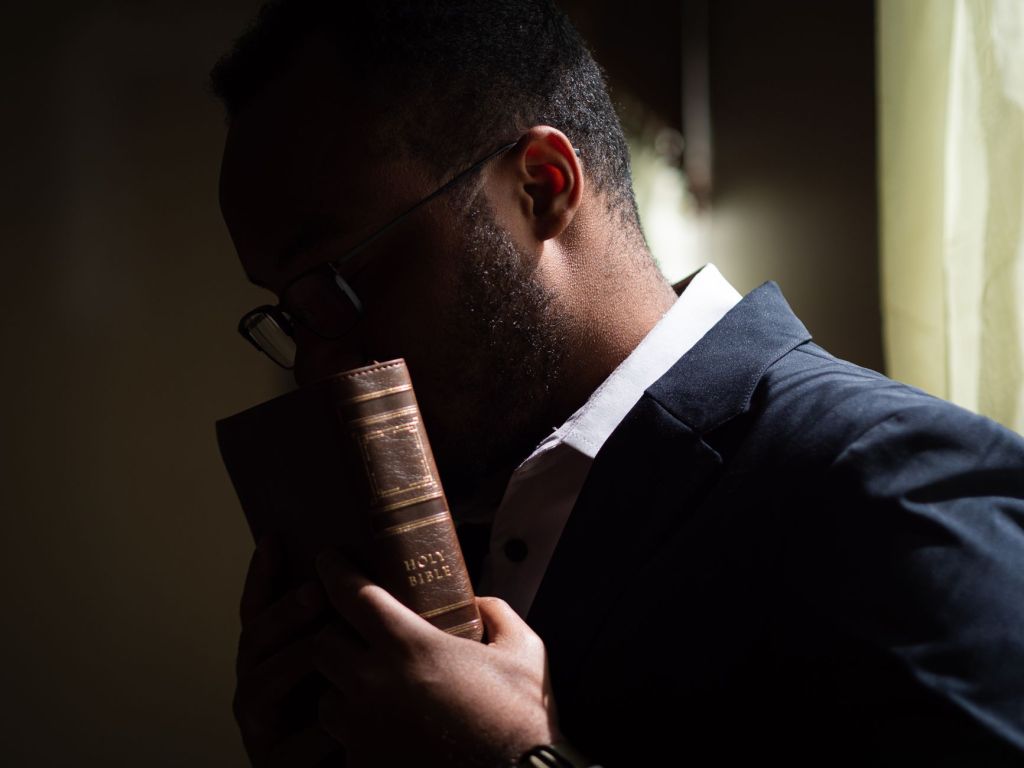
My fellow students of the Bible, I’ve been reflecting on Jeremiah and Lamentations, and thinking about Jeremiah’s prophetic calling and what it might mean for us today.
Scripture can offer profound personal guidance and comfort, but when we read it primarily through the lens of individual sin, suffering, and eventual happiness, we risk overlooking some of its most challenging implications. I wonder whether we’ve become so accustomed to asking what a passage means for ourselves that we sometimes forget to ask what it demands of us.
The prophets were often less concerned with reassuring people than with unsettling their assumptions about righteousness, power, and justice. What if some of the things we are called to “root out,” “pull down,” and “destroy” are not merely our personal sins, but the injustices we have learned to accept as normal? Jeremiah 1:10 reads:
“See, I have this day set thee over the nations and over the kingdoms, to root out, and to pull down, and to destroy, and to throw down, to build, and to plant.”
Notice the objects of Jeremiah’s commission: nations and kingdoms. This isn’t an incidental detail. Jeremiah’s prophetic ministry addresses political power, national conduct, exploitation, violence, religious hypocrisy, and the consequences of injustice. And there’s a fascinating tension in the imagery itself. The prophet is commissioned both to dismantle and to cultivate. Sometimes building something good requires confronting and dismantling what is harmful.
But that raises difficult questions. Who gets to decide what needs uprooting? What if the structures that provide security and prosperity for some people are also sources of suffering for others? What if our own communities, institutions, or nations are implicated? Those questions seem particularly appropriate for a religious tradition that places such importance on moral responsibility and continuing revelation.
What Might Jeremiah Ask of Us Today?
The contrast between Jeremiah’s world and our own is worth exploring carefully. Reasonable people disagree about immigration enforcement, national security, military policy, and the appropriate responses to violence. But Jeremiah invites a moral inquiry that goes deeper than political allegiance: How should a nation exercise power? What obligations does it owe vulnerable people? What happens when national or institutional interests are placed above justice? One of the most relevant passages is actually Jeremiah 22:3:
“Execute ye judgment and righteousness, and deliver the spoiled out of the hand of the oppressor: and do no wrong, do no violence to the stranger, the fatherless, nor the widow, neither shed innocent blood in this place.”
That is remarkably specific. The command addresses those exercising power and identifies particular obligations toward people vulnerable to exploitation. And Jeremiah 7:5–7 similarly connects the people’s future to their treatment of strangers, orphans, and widows, and to whether they shed innocent blood. The point isn’t that Jeremiah provides a ready-made position on every modern policy question. Rather, he provides moral criteria by which the conduct of nations, institutions, and individuals can be examined.
Perhaps part of what needs uprooting is our capacity to remain comfortable in the presence of preventable suffering.
- First, personal transformation is important, but it is not the entirety of discipleship. A changed heart should have consequences for how we treat other people, including people outside our immediate families, communities, and nations.
- Second, not all suffering is the consequence of the sufferer’s sin. When we interpret ruins primarily through the language of personal sin and adversity, we can unintentionally obscure the distinction between those who inflict harm and those who suffer it. The people whose homes have been destroyed by war, for example, are not necessarily suffering because of their own wrongdoing.
- Third, hope is not the same as reassurance that everything will turn out well. Biblical lament makes room for grief that cannot yet be resolved. Sometimes faithfulness requires us to remain with suffering long enough to recognize its causes and respond to them.
This last point is especially important because Lamentations is part of this week’s reading. The book doesn’t simply rush readers from destruction to consolation. It gives voice to the devastation of Jerusalem, personified as a grieving woman who calls upon those passing by to witness her suffering. In Lamentations 1:12, she asks:
“Is it nothing to you, all ye that pass by?”
I find that an extraordinarily powerful question for our moment. Can we witness another person’s suffering and continue on our way, untouched? How quickly do we turn toward comforting promises before fully acknowledging what has happened?
Come Follow Me: October 26–November 1. “I Will Turn Their Mourning into Joy”: Jeremiah 31–33; 36–3




Leave a Reply