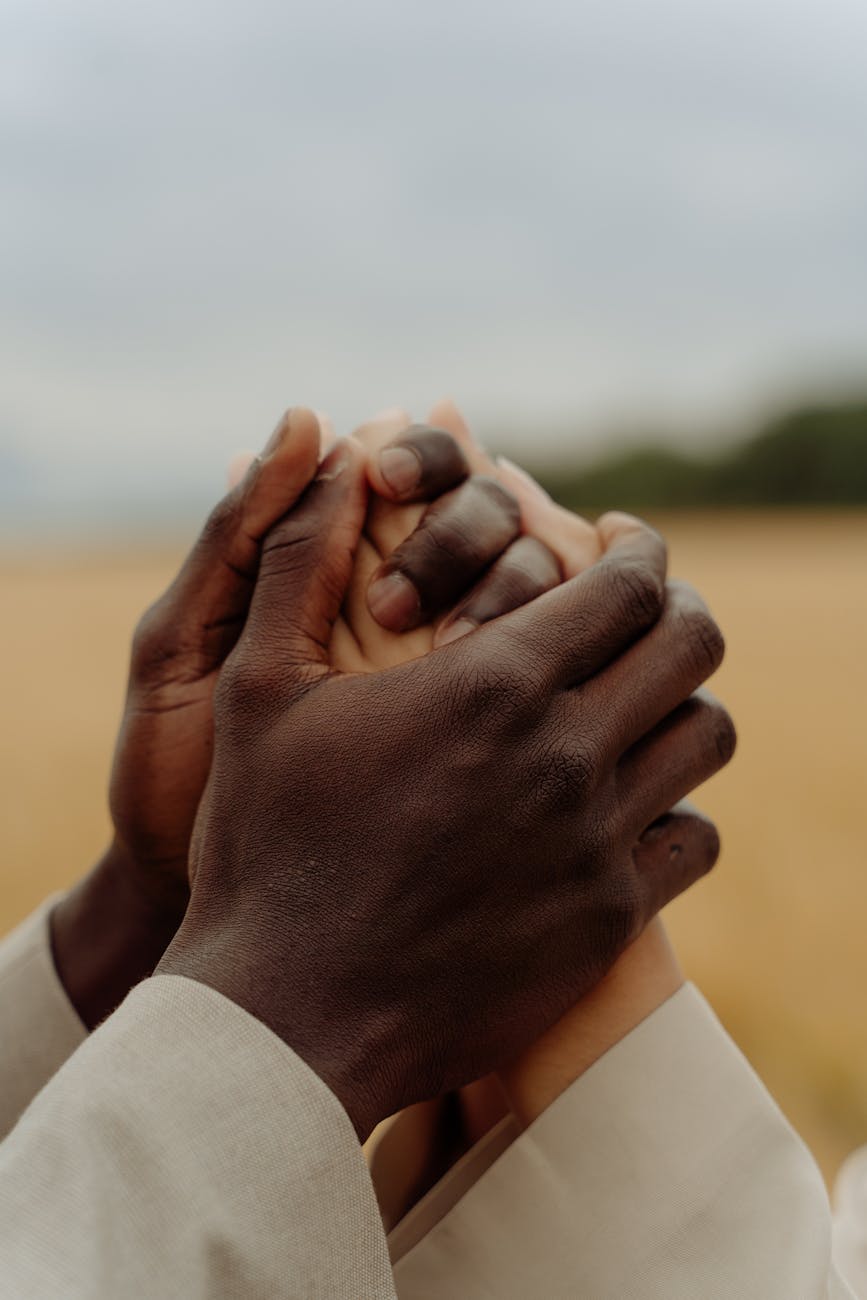
Peace doesn’t begin at the negotiating table or in the halls of power—it begins in how we treat one another. The same dynamics that shape a marriage, a family, or a friendship also echo through communities and nations. When we practice empathy, fairness, and respect in daily life, we cultivate the habits that make peace possible on a global scale.
Understanding Violence: What It Really Means
When most people hear the word violence, they picture something physical—hitting, pushing, or physical harm. But violence can take many forms. At its core, violence is any act—physical or not—used to harm, control, or intimidate another person. It’s not always visible, but its impact can be just as damaging.
Here are some ways beyond physical, that violence can show up:
- Psychological and emotional abuse: name-calling, constant criticism, humiliation, isolation, or intimidation.
- Financial abuse: controlling money, blocking a partner from working, or opening credit cards or loans in their name.
- Sexual abuse: pressuring, coercing, or forcing someone into sexual acts against their will.
- Threats and intimidation: using fear—threats against a person, their children, or pets—to keep someone under control.
- Technological abuse: using phones, GPS, or social media to track, monitor, or control someone’s movements or communications.
According to the National Institutes of Health, violence includes any act likely to cause injury, death, psychological harm, or deprivation. In other words, it’s anything used to gain or maintain power over another person.
Why Understanding Violence Matters
If we want real peace, we have to understand what causes harm. Peace scholar Johan Galtung, often called the father of peace studies, said that peace isn’t just the absence of violence—it’s “the capacity to transform conflict with empathy and creativity.” To do that, we have to look at violence in all its forms, not just the most obvious ones. Galtung identified three kinds of violence that often overlap:
Direct Violence
What it is: The kind most people recognize. It has a clear perpetrator and an identifiable victim.
Examples: physical assault, murder, or verbal abuse.
Structural Violence
What it is: Harm caused by the systems and structures we live in—unjust laws, unequal access to healthcare, education, or fair wages. This kind of violence is built into society itself.
Examples: policies that keep people trapped in poverty, racial disparities in the justice system, or the lack of affordable housing or healthcare.
Cultural Violence
What it is: The attitudes and beliefs that make the other forms of violence seem “normal” or “deserved.” It’s the stories, stereotypes, and traditions that justify inequality.
Examples: sexism, racism, xenophobia, or religious justifications for discrimination.
Seeing the Whole Picture
These three forms of violence are connected. Direct violence often grows from cultural beliefs that justify it, and those beliefs are reinforced by the structures that keep people unequal. You can’t end one without addressing the others.
When control, domination, or disregard take root in our relationships, they grow into the very systems that divide societies. Understanding this bigger picture helps us see that peace isn’t just about the absence of violence—it’s about building fairness, empathy, and opportunity into our relationships, societal systems and culture we all share.


 The Little Stream: Where Soul Meets Society — Reflections on Well-Being, Religion, and Power
Leave a comment